How to Get Internet in Thailand for Travel in 2026
6/24/2026
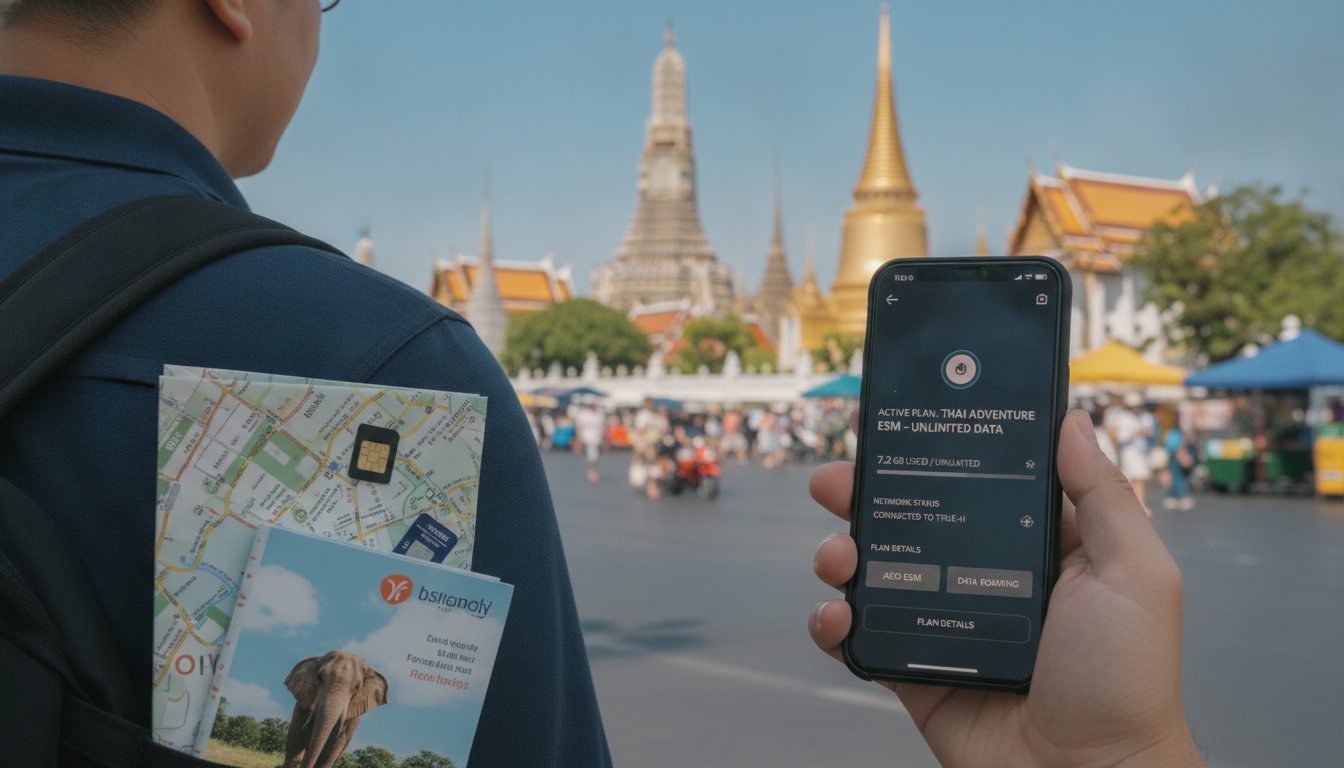
In short, what you'll discover in this article: Reliable tips for staying connected during your Thailand trip, including the best internet options like eSIMs, prepaid SIM cards, and pocket Wi-Fi. Learn where to buy them, how to activate your connection, and which providers offer the fastest coverage.
1. Introduction: Internet Connection in Thailand — What You Need to Know
Travelers often wonder about the reliability of internet thailand voyage options. Thailand offers a variety of ways to stay connected, from local SIM cards to advanced eSIM technology.
Understanding these choices helps you avoid last-minute hassles and ensures smooth communication with family, friends, or work during your trip.
Internet coverage is generally strong in urban areas like Bangkok, Chiang Mai, and Phuket, with widespread 4G and growing 5G networks. However, rural zones and some islands may have limited connectivity.
Planning ahead is key to enjoying seamless mobile internet access throughout your journey.
2. Options for Staying Connected
2.1 Prepaid SIM Card: Advantages and Disadvantages
A prepaid carte SIM Thailande is a popular choice for many tourists. It offers:
- Easy access to local data plans
- Affordable rates compared to roaming
- Flexibility with no long-term commitment
However, buying a physical SIM requires swapping your current card, which might disrupt your existing number or apps. Also, activation can sometimes be time-consuming if you’re unfamiliar with local procedures.
2.2 eSIM: How It Works and Who Should Consider It
The eSIM Thailande is a virtual SIM embedded in modern smartphones. It allows you to activate a data plan without inserting a physical card.
Benefits include:
- Instant activation via QR code sent by email
- Dual-SIM capability without removing your home SIM
- Convenient for travelers who want to avoid airport queues
This option suits tech-savvy tourists or digital nomads who need reliable internet without changing phones physically.
2.3 Pocket Wi-Fi / MiFi: When to Choose It
Pocket Wi-Fi devices provide portable internet by connecting multiple devices simultaneously through a rented hotspot. They are ideal if:
- You travel in groups sharing data
- Your devices don’t support eSIM or dual-SIM
- You prefer not to alter your phone’s SIM setup
Keep in mind that carrying an extra device means charging it regularly and potential rental fees.
2.4 Public Wi-Fi and Alternatives (Coworking Spaces, Hotels)
Thailand offers many free Wi-Fi hotspots in airports, cafes, hotels, and coworking spaces. For example, Bangkok’s airports provide free internet access for short sessions.
While convenient for casual browsing or map use, public Wi-Fi can be unreliable or insecure for sensitive tasks.
Using a VPN is recommended when connecting through public networks to protect your data.
3. Where to Buy a SIM or eSIM
3.1 Airports: Speed vs Price
Airports like Bangkok Suvarnabhumi and Phuket International offer quick SIM card purchases upon arrival. This option is convenient but often comes at slightly higher prices than city stores.
3.2 Official Stores and Resellers
Buying from official AIS, DTAC, or TrueMove shops guarantees authentic products and professional assistance with activation and APN settings.
3.3 Convenience Stores (7-Eleven) and Kiosks: Purchase Procedure
7-Eleven stores across Thailand sell prepaid SIM cards with simple registration processes requiring your passport for verification.
3.4 Online Purchase and eSIM Providers
You can order an eSIM Thailande online before departure from trusted providers who send QR codes instantly by email. This method saves time on arrival and often includes competitive pricing.
4. Operator Comparison (AIS, DTAC, TrueMove)
4.1 4G/5G Coverage by Region
- AIS: Widest coverage nationwide with strong 5G presence in cities.
- DTAC: Competitive speeds in urban areas; good rural reach.
- TrueMove: Excellent city coverage; growing network expansion.
4.2 Tourist Plans and Indicative Pricing
Each operator offers tourist-friendly data packages ranging from daily passes to multi-week plans with varying data volumes—ideal for short stays or longer visits.
For detailed pricing and plan comparisons, see the comprehensive data plans guide.
5. Activation and Practical Setup
5.1 Step-by-Step SIM Activation
- Insert the physical SIM card.
- Follow on-screen prompts or dial the activation code.
- Register your passport details as required.
- Configure APN settings if not automatic.
5.2 Installing and Activating an eSIM
- Scan the QR code received via email.
- Add the eSIM profile in your phone’s settings.
- Select the eSIM as your mobile data source.
- Confirm activation following provider instructions.
5.3 APN Settings and Dual-SIM Management
Proper APN configuration ensures smooth internet access; most providers auto-configure this during activation but manual input might be necessary in rare cases.
Dual-SIM phones allow simultaneous use of home and Thai numbers—ideal for balancing work and travel communication.
6. Tips According to Traveler Type
6.1 Short Stays / Tourists
Opt for prepaid SIM cards or short-term eSIM plans with moderate data allowances for convenience without overspending.
6.2 Long Stays / Digital Nomads
Consider larger data packages or monthly plans with reliable coverage; eSIMs offer flexibility without physical swaps.
6.3 Island Travel, Rural Areas, Frequent Movement
Choose operators like AIS known for wider rural coverage; pocket Wi-Fi can be useful when traveling with multiple devices off-grid.
7. Security and Best Practices (VPN, Public Wi-Fi)
Always use a VPN when accessing public Wi-Fi hotspots to protect personal information from potential cyber threats.
Avoid conducting sensitive transactions on unsecured networks whenever possible.
8. Common Issues and Troubleshooting
- No internet after SIM insertion: Check APN settings or restart the device.
- eSIM not activating: Verify QR code validity; contact provider support.
- Dual-SIM conflicts: Adjust preferred data line in phone settings.
- Lost SIM card: Purchase a replacement at official stores; keep backup contacts saved online.
9. Quick FAQ (Price, Duration, Recharge, Lost SIM)
- Tourist SIM prices vary but generally start around $10-$15 USD.
- Data plans last from one day up to one month depending on package.
- Recharging is possible at convenience stores or online portals.
- Lost SIMs require re-registration at provider shops with ID proof.
10. Conclusion and Practical Recommendation Based on Traveler Profile
Choosing the right internet thailand voyage option depends on your travel style and connectivity needs. For most tourists, a prepaid SIM or an easy-to-use eSIM provides reliable access at reasonable prices across Thailand’s major destinations.
For detailed pricing info on eSIMs tailored to your trip length and data needs, check out our eSIM pricing guide. Staying connected has never been easier—plan ahead to enjoy seamless internet throughout your adventure!

Noah Bennett
Noah is a Southeast Asia travel writer. At Thailand eSIM he compares AIS, TrueMove H and dtac data plans from Bangkok to the islands.