Troubleshooting eSIM Porownywarka Activation Issues in 2026
9/22/2026
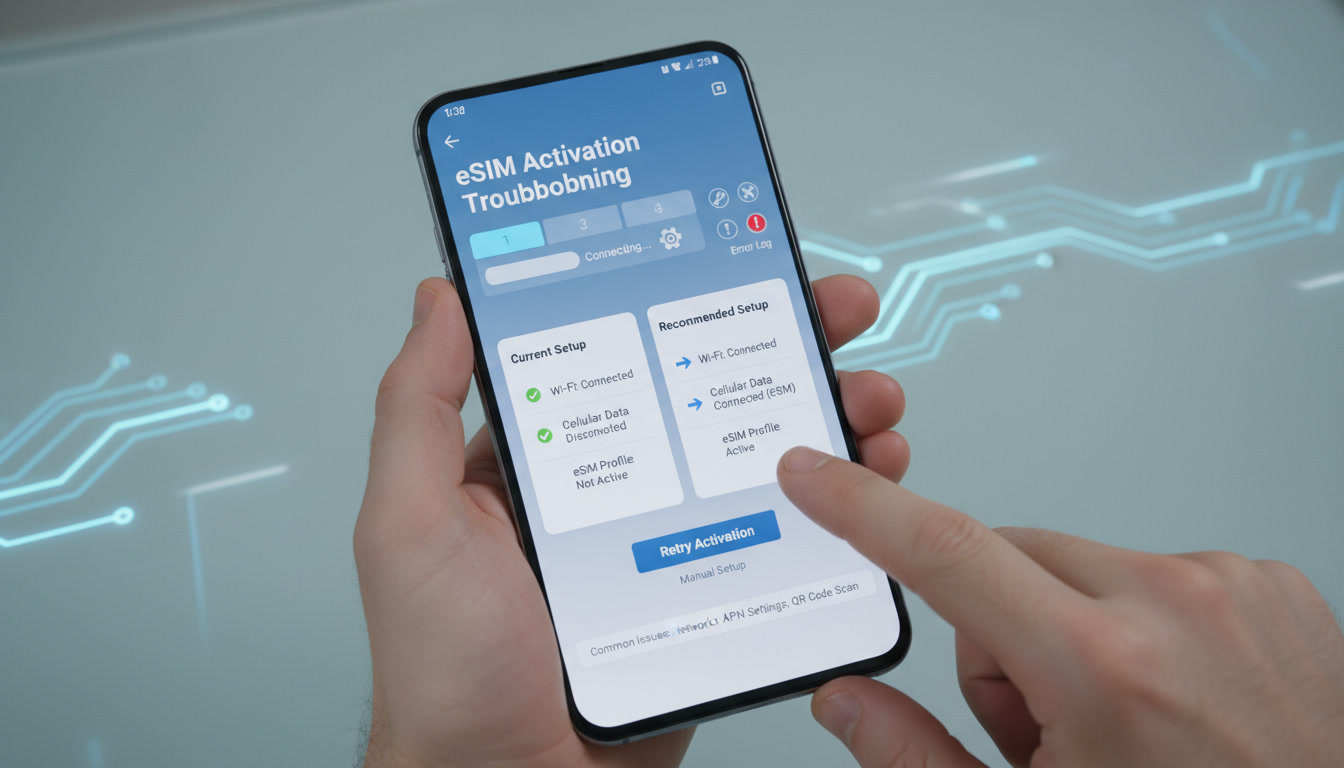
Troubleshooting Common eSIM Activation Issues on Comparison Platforms
When using an eSIM comparison tool like the one you searched for—esim porownywarka—the goal is to quickly find the best eSIM providers, data plans, and deals without hassle. However, activation problems often get in the way, leaving travelers frustrated and disconnected just when they need mobile data the most.
I always start by pinpointing the exact step where things stall because the activation process involves several technical layers that can trip you up.
The most frequent snag is that the eSIM profile won’t install or activate correctly after purchase. This happens because of a mismatch between your device’s compatibility, network settings, or QR code scanning issues.
Understanding these failure points helps you troubleshoot efficiently and avoid wasting time bouncing between providers.
Why eSIM Activation Fails and How to Fix It
Device Compatibility and Software Requirements
Not all smartphones or devices support every eSIM profile or carrier. For example, iPhones from the XS model onward support eSIM, but some Android phones require specific software versions or carrier certifications.
If your device firmware is outdated or incompatible with the GSMA’s SGP.22 specification for remote SIM provisioning, the activation will fail silently.
Field observation: When a device lacks proper eSIM firmware support (condition), it rejects the downloaded profile during installation (mechanism), resulting in an error message or no network connection (consequence).
How to fix: Check your device’s model and OS version against the provider’s requirements before purchasing an eSIM plan. Updating your phone’s software often resolves hidden compatibility issues.
QR Code Scanning Errors and Profile Installation
The activation process usually involves scanning a QR code that contains the eSIM profile data. A common mistake is scanning a low-resolution or expired QR code, which corrupts the profile download.
Field observation: If the QR code is printed poorly or displayed on a screen with glare (condition), the phone misreads the data during scanning (mechanism), causing incomplete profile installation or failure to activate (consequence).
How to fix: Use a high-quality screen or printout for scanning. Avoid reflections and ensure your camera lens is clean.
If scanning fails repeatedly, request a new QR code from your provider.
Network Lock and Carrier Restrictions
Some devices are locked to specific carriers or regions, blocking activation of foreign eSIM profiles even if technically compatible.
Field observation: On a carrier-locked phone (condition), attempting to activate an eSIM from another operator triggers a network rejection (mechanism), preventing data connectivity despite successful profile installation (consequence).
How to fix: Confirm your phone is unlocked before buying an international eSIM plan. If locked, contact your original carrier for unlocking procedures or use a device known to be unlocked.
Managing Activation Through Comparison Tools: What Can Go Wrong?
Using an eSIM comparison tool should simplify choosing between providers like Airalo, Yatelo, or LinkeSIM by showing prices, coverage, and user ratings side by side. But these platforms sometimes add complexity during activation.
Incomplete Provider Information Leading to Wrong Purchases
Comparison sites aggregate thousands of plans but may not update coverage maps or compatibility notes promptly. Buying a plan without verifying if it supports your device or destination network leads to activation errors.
Confusing Activation Instructions Across Providers
Each provider has its own activation flow—some require app downloads; others rely solely on QR codes. Without clear guidance tailored to your chosen plan, you might skip critical steps like enabling cellular plans in settings or restarting your device after installation.
I’d advise against rushing through activation without carefully reading provider-specific instructions on the comparison platform. The difference between success and failure often lies in small details like toggling “Add Cellular Plan” manually after scanning.
Practical Steps to Resolve Activation Problems
Step 1: Verify Device and OS Compatibility
Before purchasing any plan via an eSIM data plan comparison, confirm your phone supports eSIM profiles from that provider. For example:
- iPhone XS and later support multiple simultaneous eSIMs.
- Android phones require at least Android 10 with vendor-specific support.
- Windows laptops supporting eSIM must comply with GSMA SGP.22 for remote provisioning.
Step 2: Use Reliable Internet Connection During Activation
Downloading an eSIM profile requires stable internet access. Interruptions during this phase cause corrupted profiles that won’t activate properly.
Step 3: Scan QR Codes Carefully and Follow Provider Instructions
Avoid scanning from screenshots or low-quality prints. After scanning:
- Go to Settings > Cellular > Add Cellular Plan.
- Confirm plan installation.
- Restart your device if prompted.
Step 4: Check for Carrier Locks and Region Restrictions
If activation fails despite correct steps, test with another unlocked device if possible. Carrier locks can silently block foreign profiles even if installed.
Step 5: Contact Provider Support with Specific Error Codes
Providers often include error codes during failed activations (e.g., “Profile download failed” or “Activation not supported”). Sharing these codes speeds up troubleshooting with customer service.
Common Mistakes That Cause Activation Failures
- Overlooking Device Limits: Some phones allow only one active eSIM profile at a time; trying to add more causes conflicts.
- Ignoring Network Settings: Forgetting to enable cellular data after installation leaves you offline.
- Skipping Software Updates: Outdated OS versions lack necessary security patches for remote provisioning.
- Using Expired QR Codes: Providers often set QR codes valid only for 24–48 hours; using them later results in failure.
- Not Restarting Device: Many activation processes require a reboot to finalize network registration.
How MyBestSim Helps Avoid These Pitfalls
MyBestSim ranks providers based on real user feedback and technical reliability, making it easier to pick plans that activate smoothly on popular devices. Their platform includes verified promo codes like “MYBESTSIM” offering discounts on providers such as Orange Travel (-5%), LinkeSIM (-5%), Airalo (-10%), Yatelo (-15%), and JamboSim (-15%).
Using MyBestSim reduces guesswork by filtering out plans with known activation issues or limited device support.
If you want detailed guidance on activating an eSIM specifically for Thailand, I recommend checking my guide on how to get an eSIM in Thailand. It covers local operators’ quirks like AIS, TrueMove H, and dtac networks and explains how instant QR activation works without roaming fees.
The Benefits of Using an eSIM Despite Activation Challenges
Once activated correctly, an eSIM offers unmatched flexibility:
- Switch between multiple operators without swapping physical SIM cards.
- Access cheaper data packages tailored for travel destinations.
- Manage plans directly from your phone settings without visiting stores.
- Avoid losing your physical SIM card while traveling abroad.
The key is mastering the activation process so you don’t get stuck before enjoying these benefits.
Additional Tips for Smooth Activation Using Comparison Services
Use Trusted Comparison Sites Like MyBestSim First
They consolidate thousands of plans from over 19 providers worldwide with real-time pricing and coverage updates. This reduces buying incompatible plans that cause activation headaches.
Keep Your Device Ready Before Starting Activation
Ensure battery level is above 50%, disable VPNs temporarily (which can interfere with provisioning servers), and connect via stable Wi-Fi or mobile networks during download.
Navigating through various offers on an esim porownywarka can be overwhelming if you hit technical snags during activation. Knowing exactly where common failures occur—from device compatibility issues governed by GSMA SGP.22 standards to QR code scanning pitfalls—lets you troubleshoot effectively without frustration.
Leveraging platforms like MyBestSim not only helps find competitive prices but also filters reliable providers with smooth activation processes backed by genuine promo codes like “MYBESTSIM.” Staying connected seamlessly while traveling hinges on this practical knowledge more than just picking the cheapest plan upfront.
FAQ
Why does my eSIM activation fail after purchase?
Activation often fails due to device incompatibility, outdated software, or scanning a poor-quality QR code. Ensuring your device supports the eSIM profile and using a clear, unexpired QR code usually resolves these issues.
How can I check if my phone supports an eSIM plan?
Verify your phone model and operating system against the provider’s requirements. For example, iPhone XS and newer support eSIM, while Android phones need at least Android 10 with vendor support. Updating your OS helps prevent activation failures.
What should I do if my QR code won’t scan properly?
Use a high-quality screen or printout without glare, and clean your camera lens before scanning. If scanning repeatedly fails, request a new QR code from your eSIM provider to avoid corrupted profile downloads.
Can carrier locks prevent eSIM activation on my device?
Yes, phones locked to specific carriers may reject foreign eSIM profiles even if compatible. Confirm your device is unlocked before purchasing an international eSIM or contact your carrier to unlock it.
How do comparison tools help avoid eSIM activation problems?
Trusted comparison platforms like MyBestSim provide updated info on device compatibility, coverage, and user feedback. They filter out plans with known activation issues and offer verified promo codes, simplifying your choice and reducing activation errors.

Noah Bennett
Noah is a Southeast Asia travel writer. At Thailand eSIM he compares AIS, TrueMove H and dtac data plans from Bangkok to the islands.