Troubleshooting Common eSIM Burundi Activation Issues in 2026
10/15/2026
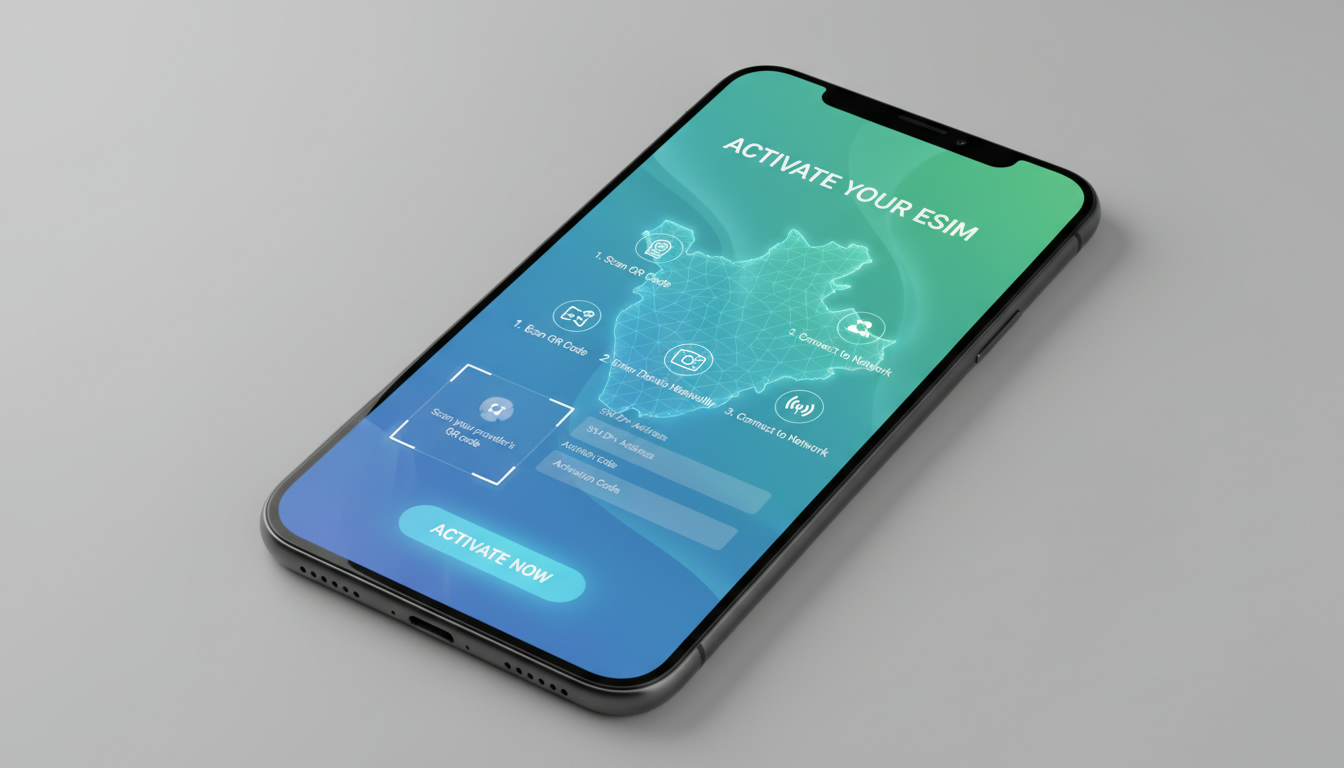
Troubleshooting eSIM Activation Issues in Burundi: What You Need to Know
If you’re planning to use an eSIM in Burundi, the biggest hurdle travelers face is often activation glitches rather than availability. While eSIM technology is increasingly global, Burundi’s local infrastructure and provider support can complicate the setup process.
I always start by clarifying that successful activation depends on device compatibility, network coverage, and the chosen eSIM provider’s provisioning system. Getting stuck during activation usually comes down to one or more of these factors.
Understanding eSIM Availability and Compatibility in Burundi
Burundi’s mobile market is still developing support for eSIM technology. Although there are international eSIM providers offering prepaid data plans that cover Burundi, local carriers have limited or no native eSIM support yet.
This means you’ll most likely rely on global roaming eSIMs rather than local ones.
Device Compatibility Is a Common Activation Bottleneck
The first condition for a smooth eSIM activation in Burundi is having a compatible device. Most modern smartphones from Apple (iPhone XS and later), Google Pixel (3 and later), and Samsung Galaxy (S20 and later) support the GSMA specification SGP.22 for remote eSIM provisioning.
However, if your phone’s firmware or carrier settings are outdated, the device might fail to recognize the QR code or download the profile correctly.
The mechanism here is that the device must communicate securely with the eSIM provider’s server to fetch the profile. If this handshake fails—due to outdated software or incompatible hardware—the activation stalls, leaving you with no cellular connection.
Network Coverage and Signal Quality Affect Activation Success
Even if your device supports eSIMs, poor network coverage in Burundi can interrupt the activation process. The country’s 3G and 4G LTE networks are patchy outside major cities like Bujumbura and Gitega.
When you attempt to activate an eSIM in areas with weak signal strength, your phone may time out trying to download the profile or register on the network.
This happens because the activation requires a stable data connection to authenticate your subscription with the operator’s backend systems. Without it, you’ll see errors like “Activation Failed” or “No Service.”
How to Activate an eSIM in Burundi Without Headaches
Activation steps vary slightly depending on whether you buy your eSIM before arrival or locally upon landing.
Step-by-Step Activation Process
-
Purchase Your eSIM Plan: Choose a reputable international provider that covers Burundi, such as those listed on MyBestSim or MobilityPass. Plans typically range from 1GB to 5GB with validity periods from 1 day up to 30 days.
-
Receive Your QR Code: After purchase, you’ll get a QR code via email or app. This code contains your subscription profile.
-
Scan QR Code on Your Device: Go to your phone’s cellular settings and select “Add Cellular Plan.” Use your camera to scan the QR code.
-
Wait for Profile Download: The device connects to the provider’s server using GSMA SGP.22 protocols to download your plan.
-
Set Your Default Line: If you have multiple SIMs (physical or eSIM), select which line handles data, calls, and SMS.
-
Test Connectivity: Open a browser or app that requires internet access to confirm successful activation.
Common Activation Pitfalls and How to Avoid Them
- Overtightening Activation Windows: Some providers require activation within a specific timeframe after purchase (often within 24 hours). Missing this window invalidates the QR code.
- Wi-Fi Dependency Trap: Trying to activate without any internet connection (Wi-Fi or cellular) blocks profile download.
- Dual SIM Conflicts: On devices supporting multiple SIMs, failing to assign data priority can cause confusion in connectivity.
- Incorrect Time Zone Settings: The phone’s clock must be accurate; otherwise, authentication tokens may be rejected by servers.
I’d advise against activating your eSIM in remote areas of Burundi where signal strength is unreliable. Instead, complete activation in urban centers with confirmed 4G LTE coverage like Bujumbura.
The Cost of eSIM Plans and Choosing Providers for Burundi
While local carriers don’t widely offer native eSIM plans yet, international providers fill this gap with prepaid roaming packages covering Burundi at competitive prices.
Price Ranges for Prepaid Data Plans Covering Burundi
| Provider | Data Volume | Validity Period | Approximate Price (USD) |
|---|---|---|---|
| Ubigi | 1-2 GB | 30 days | Starting at $14 |
| RocketESIM | Varies | Varies | Up to 80% savings vs roaming |
| MobilityPass | Varies | Varies | Competitive global roaming rates |
Prices vary depending on data volume and validity but expect plans starting around $7 for minimal data up to $30+ for larger packages lasting a month. Since these are global roaming plans rather than local SIM replacements, costs tend to be higher than domestic SIM cards but still significantly cheaper than traditional roaming fees from your home carrier.
MyBestSim is an excellent resource for comparing these offers side by side based on price, data allowance, and user ratings.
Benefits of Using an eSIM in Burundi Despite Activation Challenges
Despite some hurdles during setup, using an eSIM while traveling in Burundi offers clear advantages over physical SIM cards:
- No Need for Physical Card Swapping: You avoid losing or damaging SIM cards during travel.
- Multiple Profiles on One Device: You can store up to 10 different eSIM profiles per GSMA standards and switch between them instantly.
- Instant Activation Upon Arrival: Once set up properly, switching between home and travel lines is seamless.
- Better Security: Remote provisioning reduces risks of SIM cloning or theft compared to physical cards.
However, these benefits only materialize if you navigate initial activation carefully. That means ensuring device compatibility, stable network access during setup, and choosing reliable providers with clear instructions.
How Buying an eSIM Before Traveling Helps Avoid Activation Issues
Purchasing your Burundi eSIM plan before arrival gives you control over timing and environment during activation:
- You can activate over stable Wi-Fi at home instead of relying on unpredictable mobile signals.
- You avoid language barriers or local vendor confusion when buying physical SIMs at airports or shops.
- You ensure your device firmware is updated beforehand for compatibility with GSMA SGP.22 provisioning standards.
If you want detailed guidance on activating travel eSIMs smoothly—especially if you’re new to this technology—I recommend reading my guide on how to get an eSIM in Thailand. The principles apply globally: preparation reduces common pitfalls dramatically.
Activation issues with eSIMs in Burundi often stem from three key conditions: device incompatibility blocking profile download; weak network coverage interrupting authentication; and timing errors invalidating QR codes before use. Understanding these mechanisms helps travelers troubleshoot effectively rather than guessing what went wrong.
For anyone planning connectivity during their stay in Burundi, relying on international roaming eSIM providers remains the most practical choice today—provided you follow best practices for activation timing and environment. This approach avoids costly roaming fees without juggling physical SIM cards amid limited local support for native eSIMs.
If you want more insights into choosing between physical SIMs and eSIMs abroad or how different providers stack up worldwide, check out my article comparing the best eSIM providers in Thailand. It highlights what really matters when picking a plan that fits your travel style—and those lessons apply equally when preparing for Burundi.
FAQ
What causes eSIM activation failures in Burundi?
Activation failures often result from device incompatibility, weak network coverage, or expired QR codes. Ensuring your phone supports GSMA SGP.22, activating in areas with strong signal, and using the QR code within the provider's valid timeframe can prevent most issues.
Are local Burundi carriers supporting native eSIMs?
Currently, local carriers in Burundi have limited or no native eSIM support. Travelers typically rely on international eSIM providers offering prepaid roaming plans that cover Burundi instead of local eSIM options.
How can I activate an eSIM before arriving in Burundi?
You can purchase an international eSIM plan online and activate it over stable Wi-Fi at home by scanning the QR code in your phone’s cellular settings. This avoids activation problems caused by weak signals or timing issues upon arrival.
What are the typical costs for eSIM data plans covering Burundi?
Prepaid international eSIM plans covering Burundi usually start around $7 for minimal data and can go up to $30 or more for larger packages lasting up to 30 days. Prices vary by provider and data volume but are generally cheaper than traditional roaming fees.
Why is device compatibility crucial for eSIM use in Burundi?
Device compatibility ensures your phone can communicate securely with the eSIM provider’s server to download the profile. Without updated firmware and support for GSMA SGP.22, your device may fail to recognize the QR code or complete activation.

Noah Bennett
Noah is a Southeast Asia travel writer. At Thailand eSIM he compares AIS, TrueMove H and dtac data plans from Bangkok to the islands.